
How to Build an Author Website Readers Actually Want to Explore
An author website is more than a digital business card. It is a quiet room where readers meet your stories, your imagination, and the person behind the pages. The strongest author websites do not simply announce that a book exists — they invite readers to stay.

Imagine a reader discovering your name after hearing about your novel. They search for you, arrive at your website, and pause. What happens next?
A good author website answers that quiet question: “Why should I spend more time here?” It gives readers a sense of your work, your voice, and the worlds you create.
Your author website should feel like an invitation, not a noticeboard
The first mistake many writers make is treating a website like a list of achievements. Readers rarely connect with a collection of announcements. They connect with stories, curiosity, and a sense of relationship.
Your homepage does not need to explain everything at once. It needs to guide visitors naturally. A clear introduction, your books, your writing world, and a way to continue exploring are usually enough.
I find that readers remember a feeling before they remember a list of information. A website should create that feeling of entering a writer’s world.
Create pages that answer the questions readers already have
Readers usually arrive with simple questions: Who is this writer? What kind of stories do they tell? Where can I begin?
A thoughtful homepage
Your homepage should quickly communicate your identity as a writer. Include your name, your writing focus, and a clear path toward your books or stories.
A meaningful about page
An about page works best when it feels human. It does not need every detail of your life. It should help readers understand the creative perspective behind your work.
A dedicated book page
Each important book deserves its own space. Include the cover, description, themes, and a simple way for interested readers to learn more.

Give readers reasons to return
An author website becomes memorable when it offers more than a purchase link. Readers enjoy discovering the thoughts, inspirations, and creative questions behind a writer’s work.
This might include essays, reflections on storytelling, updates about your projects, or conversations around themes that matter to your readers.
| Basic website | Reader-focused website |
|---|---|
| Only lists books | Creates a path into the writer’s world |
| Only shares announcements | Offers thoughtful reasons to return |
| Speaks mainly about the author | Considers the reader’s experience |
Make navigation simple and emotionally clear
A reader should never feel lost. Keep important pages easy to find. A visitor should be able to move from discovering you to exploring your books without unnecessary effort.
I tend to think of navigation like the structure of a story. Every section should have a purpose. Every path should lead somewhere meaningful.

Let your personality appear without turning the website into a performance
Readers want to meet a real writer, not a carefully polished advertisement. Your tone matters. The words you choose, the images you share, and the way you describe your work all contribute to the relationship you build.
For me, storytelling is always connected to human connection. An author website can carry that same quality when it feels honest and intentional.
Frequently Asked Questions
What should an author website include?
An author website should usually include an introduction, an about page, book information, and a simple way for readers to stay connected or explore further.
Do new writers need an author website?
A website can help writers establish a professional home online, even before publication. It allows readers and industry contacts to find reliable information about their work.
How often should an author update their website?
Updates do not need to happen constantly. A website should be refreshed when there is meaningful news, new writing, or information readers would find useful.
What makes an author website memorable?
A memorable author website combines clarity with personality. Readers should understand the writer’s work while also sensing the creative voice behind it.
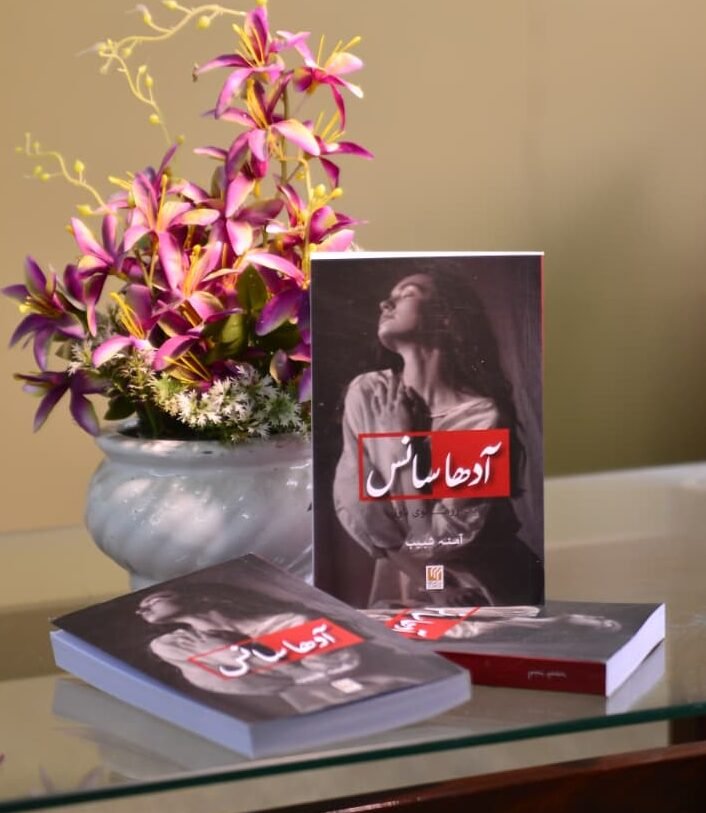
Some distances can only be crossed with words.
“A story about the distance between two people, and the words it takes to close it.”
Available as a digital PDF and printed copy.
Explore Aadha Saans About Amna Shabib
Amna Shabib is a novelist, scriptwriter, and storyteller who writes in Urdu and English. She is the author of the debut novel Aadha Saans.